


| HS Code | 374022 |
| Chemical Type | nonionic surfactant |
| Active Ingredient | ethoxylated alcohols |
| Appearance | clear to slightly hazy liquid |
| Color | colorless to pale yellow |
| Odor | mild |
| Solubility In Water | miscible |
| Ph Value | 5-8 (1% solution) |
| Cloud Point | varies depending on grade (20°C to >100°C) |
| Hlb Value | varies from 6 to 18 |
| Main Applications | detergents, cleaning agents, emulsifiers |
| Biodegradability | readily biodegradable |
| Ionic Character | nonionic |
| Surface Tension Reduction | significant |
| Freezing Point | varies, typically around 0°C |
| Density | approximately 1.00 g/cm³ |
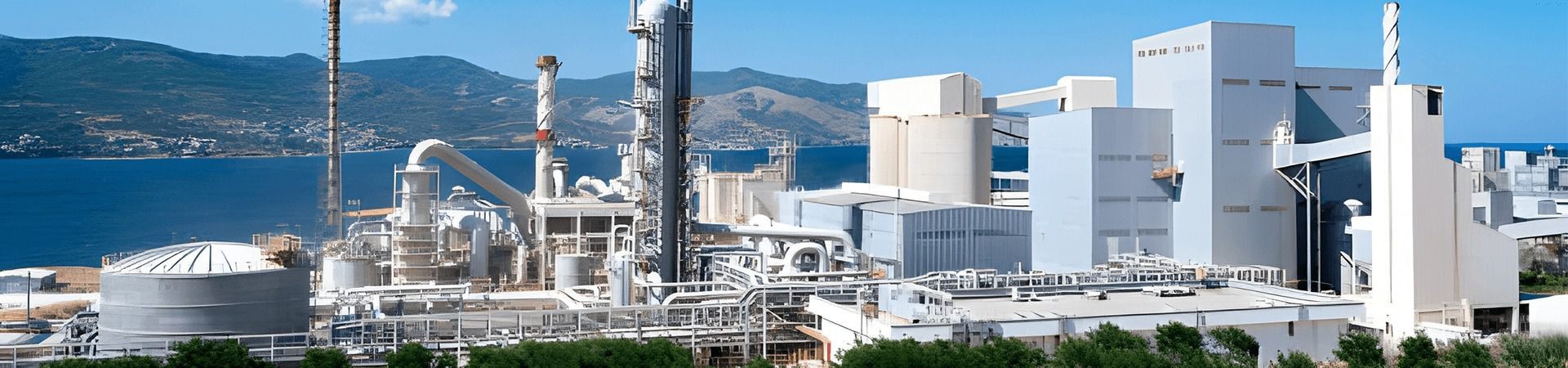
As an accredited Lutensol Nonionic Surfactants factory, we enforce strict quality protocols—every batch undergoes rigorous testing to ensure consistent efficacy and safety standards.
| Packing | Lutensol Nonionic Surfactants are packaged in 200 kg blue HDPE drums, featuring secure, leak-proof lids and clear product labeling. |
| Container Loading (20′ FCL) | Container Loading (20′ FCL) for Lutensol Nonionic Surfactants: Typically loaded in 200kg drums or 1,000kg IBCs, ensuring secure chemical transport. |
| Shipping | Lutensol Nonionic Surfactants are shipped in tightly sealed drums or IBC containers to prevent contamination and moisture ingress. Packages are clearly labeled in compliance with transport regulations. They should be stored upright in cool, dry, well-ventilated areas, away from oxidizing agents and direct sunlight, ensuring safe and effective delivery. |
| Storage | Lutensol Nonionic Surfactants should be stored in tightly closed containers in a cool, dry, and well-ventilated area, away from direct sunlight and sources of ignition. Avoid exposure to heat and moisture. Storage areas should be equipped with spill containment and proper labeling. Follow all relevant regulations and consult the product’s safety data sheet (SDS) for specific storage requirements. |
| Shelf Life | Lutensol Nonionic Surfactants typically have a shelf life of 24 months when stored in tightly sealed, original containers at recommended conditions. |
Lutensol nonionic surfactants enable consistent wetting, emulsification, cleaning, and dispersion performance across a range of manufacturing sectors. Their chemical profile supports strict compliance standards, efficient dosage, and integration into various downstream industrial processes resulting in high-value finished goods.
Lutensol surfactants play a critical role in textile wet finishing, where controlled wetting and uniform dye penetration determine lot-to-lot fabric quality. In direct, reactive, and vat dye systems, these surfactants act as leveling and wetting agents to achieve consistent shade reproducibility while supporting rapid wet-through across diverse textile fibers. The process relies on substantial surfactant performance under variable temperatures and high mechanical stress, especially in continuous dyeing and washing lines.
Industry compliance standards
Typical usage ratio
Downstream process integration
Final product types
Formulators apply Lutensol surfactants as primary emulsifiers and dispersants in agrochemical formulations, ensuring stable emulsifiable concentrates (ECs) with clear phase separation and persistent emulsion stability. Their performance underpins product reliability during dilution in farm tank solutions, especially at low ambient temperatures or in hard water. Surfactant selection and blend ratio tailor product to conform with multinational crop protection regulations and tank-mix compatibility protocols.
Industry compliance standards
Typical usage ratio
Downstream process integration
Final product types
Lutensol nonionic surfactants achieve rapid soil removal, low-foam rinsing, and hydrophobic/oil stain dispersal in institutional cleaning and industrial hygiene products. Their chemical stability supports high-load alkaline, neutral, or acid CIP (clean-in-place) detergents, as well as specialty applications such as membrane cleaning and food-grade surface sanitation. Manufacturers routinely monitor surfactant compatibility with defoamers, oxidizers, and water conditioners to meet sector hygiene and safety codes.
Industry compliance standards
Typical usage ratio
Downstream process integration
Final product types
In the production of waterborne adhesives, coatings, and latexes, Lutensol-based surfactants function as emulsifiers and stabilizers. They anchor monomer droplets during emulsion polymerization, support particle size control, and ensure batch stability throughout high-temperature and variable-pH synthesis. Their performance allows fine-tuning of final emulsion viscosity, storage stability, and binder compatibility, underpinning regulatory-compliant, clean-label polymer technologies.
Industry compliance standards
Typical usage ratio
Downstream process integration
Final product types
Surfactant-modified formulations deliver stable microemulsions and semi-synthetic fluids for machining, grinding, and metal finishing operations. Lutensol surfactants reduce interfacial tension between oil and water, promote fine droplet size, and maintain emulsion homogeneity during high-shear and extended-use conditions. Their robust dispersing capability ensures low-foam, corrosion-inhibited operation that protects workpiece surfaces and machinery in compliance with strict occupational and environmental norms.
Industry compliance standards
Typical usage ratio
Downstream process integration
Final product types
Competitive Lutensol Nonionic Surfactants prices that fit your budget—flexible terms and customized quotes for every order.
For samples, pricing, or more information, please contact us at +8615380400285 or mail to sales2@ascent-chem.com.
We will respond to you as soon as possible.
Tel: +8615380400285
Email: sales2@ascent-chem.com
Flexible payment, competitive price, premium service - Inquire now!
Each batch of Lutensol nonionic surfactants we produce reflects countless hours in the lab and on the line. From raw material selection through to final formulation, our work centers on understanding how these surfactants respond to real industry demands. Customers return for Lutensol series because they value more than just a chemical; they look for products that simplify operations, boost process flexibility, and tackle changing raw ingredient availability. Working with Lutensol, I’ve seen firsthand how it adapts across a wide spectrum of applications, from heavy-duty industrial cleaning and textile wetting to formulations for personal care.
Over the years, we developed several grades within the Lutensol series. Among our most recognized are Lutensol AO and Lutensol TO, each designed with a specific balance of ethylene oxide content and alkyl chain lengths. This balance gives users flexibility to adjust foaming, wetting, and emulsification based on the task at hand. Lutensol AO types, such as AO 7, AO 10, or AO 30, meet varied requirements from moderate to high wetting power, while Lutensol TO models answer the demand for lower foam. These numbers, stamped into every bag and drum, represent ratios our engineers refine in direct response to input from operators and formulation chemists. The process is never static; as customer needs evolve, so does our product lineup.
Specifying Lutensol in an application hinges on experience with the formulation’s local environment: pH, water hardness, and temperature range. Cleaning operations in food plants often require AO 7 or AO 10 for strong detergency in neutral and alkaline systems, where residue removal calls for a blend of solvency and stability. In personal care, Lutensol TO types add mildness to shampoos and body washes, and we’ve fielded requests for special low-odour or high-purity grades to meet more sensitive requirements.
We monitor quality at every step, not just at the end. Surfactant production can’t run on guesswork — each model in the Lutensol series demands careful control of water content, chain distribution, and residual monomers. Customers sometimes ask about batch-to-batch differences, especially in sensitive applications like paints or agrochemical adjuvants. Our response leans on tight in-process monitoring, decades of experience watching what even minor variation means for foaming or wetting, and continuous dialogue with users to adjust parameters before issues arise on their lines.
In storage and handling, our teams learned the importance of internal QA over the years. A Lutensol order leaving the plant today matches what went out a year ago, even if upstream raw materials vary. We choose and manage suppliers with deep scrutiny, and conduct in-house analytical checks. For those who blend on-site or run continuous reactors, this consistency translates to predictable processability and less downtime, an edge our competitors sometimes struggle to match.
Users running high-shear mixers or demanding spray processes require a surfactant that holds up under mechanical and chemical stress. Lutensol’s structure delivers here: the balance of alkyl and ethoxy groups gives strong shear and electrolyte tolerance. Our operators appreciate this especially in laundry and textile, where product flow and dosing must stay reliable, even alongside hard water and temperature swings.
Feedback from agricultural teams showed how Lutensol improves herbicide spreading and uptake. Traditional surfactants can falter when exposed to tank-mix components or pH swings in the field. The nonionic profile of Lutensol minimizes compatibility issues across pesticides, allowing tank mixes without caking or separation. This adaptability saves both materials and labor.
We’ve seen personal care teams reach out for technical tweaks: reducing odor, controlling trace impurities, and dialing in viscosity for stable shampoo and bath product production. Because we control synthesis parameters in-house, we can act quickly, tuning ethylene oxide ratios or purifying specific grades so formulators get exactly what they request.
Increasing pressure for lower aquatic toxicity and less environmental persistence shapes both our process development and outreach to customers. As new regulations arrive, especially in Europe and North America, our teams spent long hours working to reduce dioxane and other trace contaminants in Lutensol products — not just to meet guidelines, but to help our customers keep their end products compliant quickly.
We have rolled out grades with improved biodegradability, aiming to limit the environmental impact as wastewater treatment standards tighten. Some of our newer Lutensol AO types degrade more quickly in aerobic conditions, which we confirm through certified testing before commercial rollout. By sharing full data sheets, environmental fate results, and residual monomer analysis, we help formulators make informed choices for greener supply chains. Direct dialogue with environmental managers leads to practical solutions, such as guidance on correct surfactant dosing, which reduces chemical runoff without sacrificing cleaning or wetting performance.
A lot of surfactant products claim flexibility, but chemistry reveals where true differences exist. Lutensol offers a strong balance of hydrophobic and hydrophilic character due to careful control over the ethoxylation and base alcohol selection. In practical terms, this means a Lutensol AO 7, with a C13 alcohol backbone and seven ethylene oxide units, shows powerful wetting and is less likely to layer or separate in high-concentration systems compared to generic nonionics with wider distribution of ethoxylate chains. Users working in detergency, especially institutional cleaning, rely on this for minimal spotting and residue, even as they cycle through different water sources or soil loads.
Trying other nonionics, some customers report difficulties with hazing, poor solubility under cold conditions, or foam collapse. Our experience with Lutensol shows less sensitivity to temperature and salinity than standard fatty alcohol ethoxylates, which can be critical when production runtimes stretch long or ambient conditions change unexpectedly. The extra lab work paid off in these real-world differences — not just chemical nomenclature, but visible performance after months on a customer’s floor.
One of the biggest headaches buyers share involves shelf life and long-term storage stability. Lutensol grades, properly stored in closed containers and protected from moisture, keep their performance for years. Our tracking of product in storage tanks, even at customer sites, confirms Lutensol AO types hold color and viscosity, which reduces maintenance headaches and tank cleaning compared to less stable blends.
Because real world formulations often demand mixing with a variety of ingredients, compatibility remains crucial. Lutensol’s nonionic character means minimal reaction with acids, bases, or electrolytes. In practice, this reduces risk of gelling or layer separation, letting formulators build complex systems for paints, inks, or crop protection without revalidation after every change upstream. Teams working with dyes, optical brighteners, or other actives can trust Lutensol to maintain solution clarity.
We back up these claims with field data and on-site visits, logging the actual results when customers switch to Lutensol. Reviewing run logs and QC charts, I’ve noticed fewer off-spec batches and more predictable mixing, which speaks louder than any datasheet.
Margins in surfactant manufacturing leave no room for inflexibility. Raw material pricing and availability shift, driven by global trends: oil prices, plant disruptions, regulatory changes. Over time, we built a resilient supply chain, keeping both regional and international suppliers on speed dial. If an upstream challenge disrupts C13 alcohol sources, alternate certified streams step in. We bear the risk, so our customers see smooth, uninterrupted delivery. Every month brings minor tweaks to keep base specifications tight.
On the downstream side, we support users through changes — a new detergent launch, a shift in agrochemical ingredients, or updated environmental labeling. Engineers allocate time and resources so customers can validate and ramp up their new blends without lab-to-plant headaches. We operate with transparency, sharing test results, suggested starting formulations, pH and viscosity targets, so that change means progress, not risk. By keeping lines of communication open with formulators, we solve bottlenecks as they arise, instead of after problems hit the market.
Some improvements in Lutensol have nothing to do with the lab and everything to do with listening. A detergent maker with a foaming issue; a textile mill who needs anti-redeposition activity; an agrochemical developer wrestling with drift control. By collecting feedback on every complaint and success story, we engineer better Lutensol series. Continuous improvement, not just compliance, keeps us evolving faster than regulations alone would dictate. Our R&D group partners directly with commercial teams, so solutions reflect both lab science and line operator wisdom.
Our team recently helped a specialty cleaner formulator switch to Lutensol AO 30. They struggled with streaking and uneven drying when using a standard blend. Using Lutensol AO 30’s unique chain length, we eliminated streaking and gave them consistent performance, demonstrated through a trial batch and follow-up visits to their facility. Direct feedback and close monitoring made the difference.
Other manufacturers produce nonionic surfactants, but Lutensol stands out in several ways. Long-running relationships with raw material producers secure supply and drive improvements in the incoming product quality. These relationships mean we spot problems before they affect production, refining process conditions in real time. Our people keep documentation and batch records above industry standard, so tracing any issue — from unexpected color shift to batch foaming deviation — happens in hours, not days. Customers rely on us for both information and action, not just promises.
Because we view every purchase order as the start of a technical relationship, technical support follows the product for its entire lifecycle. Our lab teams respond to sample requests, custom blending, or even on-site troubleshooting for tricky applications. It is not uncommon for our chemists to stand beside production operators on the plant floor, fine-tuning a blend or evaluating the root cause of an issue. We view these joint efforts as the best validation of both our product and our way of working.
As sustainability moves from aspiration to requirement, we have shifted Lutensol production to favor sources with lower carbon and water footprints. Our engineers work with suppliers to maximize renewable feedstocks where possible, sourcing base alcohols from certified origins. In upgrading part of our facility to re-use process water, we’ve trimmed utility usage, helping both the environment and cost structure. These investments don’t always show up in press releases, but they’re visible in daily plant operation and the traceability data we provide.
For users who build surfactant-based blends destined for consumer or agricultural use, these environmental improvements trickle downstream into lower carbon labels and easier regulatory pathways. As regulations change, we respond not with excuses, but by presenting verified data on VOC content, trace contaminant levels, and biodegradability. Committed to practical progress, we focus on changes that improve environmental footprint and field performance together.
Behind every Lutensol product stands a team who knows how the material behaves under pressure — in the reactor, in storage, on the customer’s line. Many of our plant operators started out in quality or shipping, bringing hands-on experience to each stage of the process. They spotted process upsets long before sensors or alarms would have, relying on look, smell, and flow. When a new customer asks for support with formulation changes or scaling up, this collective experience steps in to resolve issues quickly. Customers often remark on the difference they notice between working with our team and those used to more transactional suppliers.
Lutensol products have earned a reputation for process safety and easy handling. They flow well under normal storage, pump cleanly, and blend with water and organic solvents without unexpected thickening or hazards. Our years of plant experience shaped practical guidelines for customer storage and handling: keep drums closed, avoid water ingress, and store out of direct sunlight. By following these steps, industrial users minimize product degradation and maximize performance.
Operators appreciate Lutensol’s low hazard profile during plant transfer and blending. Even in large-scale operations, proper PPE and ventilation suffice — no specialized equipment or elaborate systems are necessary. Our technical information covers spill management, employee training pointers, and specific handling tips based on real-world incidents, not just regulatory minimums.
Industrial chemistry changes constantly: new regulations, shifting customer expectations, unpredictable weather impacting agriculture, or supply interruptions. Each challenge with Lutensol means revisiting everything from base alcohol source selection to downstream logistics. During the supply chain disruptions seen in recent years, our dual sourcing and stock strategies kept product moving, absorbing the cost and effort rather than passing it downstream. By learning from disruptions — weather-related delays or sudden spikes in demand — we reinforce our systems, so regular Lutensol users keep their production uninterrupted.
We continually invest in technology and process improvements, from upgrades in ethoxylation control to enhancements in packaging and shipping that further protect product quality. Direct feedback loops with users highlight pain points and reveal what works best, informing both research and operational decisions.
We know that customers rely on more than just molecules. They look for trust, predictability, and partnership. Lutensol has grown alongside changing industries because we acknowledge the realities operators face: tight margins, changing environmental rules, and the pressure to innovate fast but smart. Our plant and technical teams serve as more than suppliers — we become partners in process improvements, troubleshooting, and compliance. From supporting a detergent blend transition to guiding a regulatory audit, our answer always combines technical experience with direct, clear action.
Every container of Lutensol reflects not only our engineering but also our willingness to stand beside our customers when process needs shift or new opportunities arise. That commitment shows in both product and service — a reason why Lutensol continues to earn loyalty in today’s chemical landscape.


